








When we hear the word ‘sugar’, the image that comes to our minds is the white granular substance that tastes sweet, but believe it or not, it is more than that.
Sugar – the basic unit of carbohydrate – is the primary source of our energy, but it does more harm than good if consumed in excess. Now, the scientific community has established its role in almost all diseases that humankind suffers from.
So, are all carbohydrates bad?
No, but there are some which are really dangerous, and unfortunately, it’s present in most of the food types we like. There are certain foods that are sources of sugar, known as simple carbohydrates. This group mainly includes table sugar, soft drinks, fruit drinks, jams, jellies and candies, brown sugar, honey, etc. If we consume these simple sugars in large amounts it leads to ‘sugar spikes’ in our blood. This sugar spike causes insulin resistance which is now accepted as the basic reason for diseases ranging from obesity, diabetes, PCOD, and even Alzheimer’s.
The worst part about these simple sugars…
The more you consume the more you become addicted to them, and the toxic effects become more enhanced. High amounts of simple sugars in the blood are directly linked with the stimulation of chronic inflammation in our body. Chronic inflammation is a very dangerous thing to happen; it is the root cause of almost all non-communicable diseases from which we suffer. High amounts of simple sugars generate free radicals in large numbers. Free radicals, as the name indicates are radical elements in our body that roam free in our system, damaging the cell walls and initiating a chain reaction that encourages the production of more free radicals and greater chronic inflammation.
What damage does sugar do to the body?
Sugar, not only causes chronic inflammation but also suppresses immunity. Studies have proven that sugar from a 1-litre sweetened soda is enough to suppress the activities of our white blood cells by up to 40% for a minimum of 4 hours.
Damages caused by excess intake of sugar don’t end there. It leads to a depletion of the mineral content in our body. Excess sugar in the blood forces our body to use up more magnesium, potassium, and calcium than required, kickstarting a vicious cycle ranging from decreased insulin sensitivity to impaired satiety values, which in turn creates an urge for more consumption of simple sugars. It also leads to an imbalance in the intestinal microbacterium and thereby disturbs the entire digestive process. The Imbalance in intestinal microflora is termed ‘dysbiosis’ and is linked to a spectrum of problems ranging from indigestion to Irritable Bowel Syndrome.
It’s also a well-known and accepted fact that excess intake of sugar is connected to tooth decay, obesity, heart diseases, and even fatty liver.
One final attempt…
If you are still not convinced excess sugar is bad for you, here’s one more fact; it is not good even for your looks. Excess sugar in the blood damages the elastin and collagen, which gives your skin the smoothness and firmness you want to have. It may be hard to digest, but it’s a fact that every processed food you eat is literarily ageing you faster than you like.
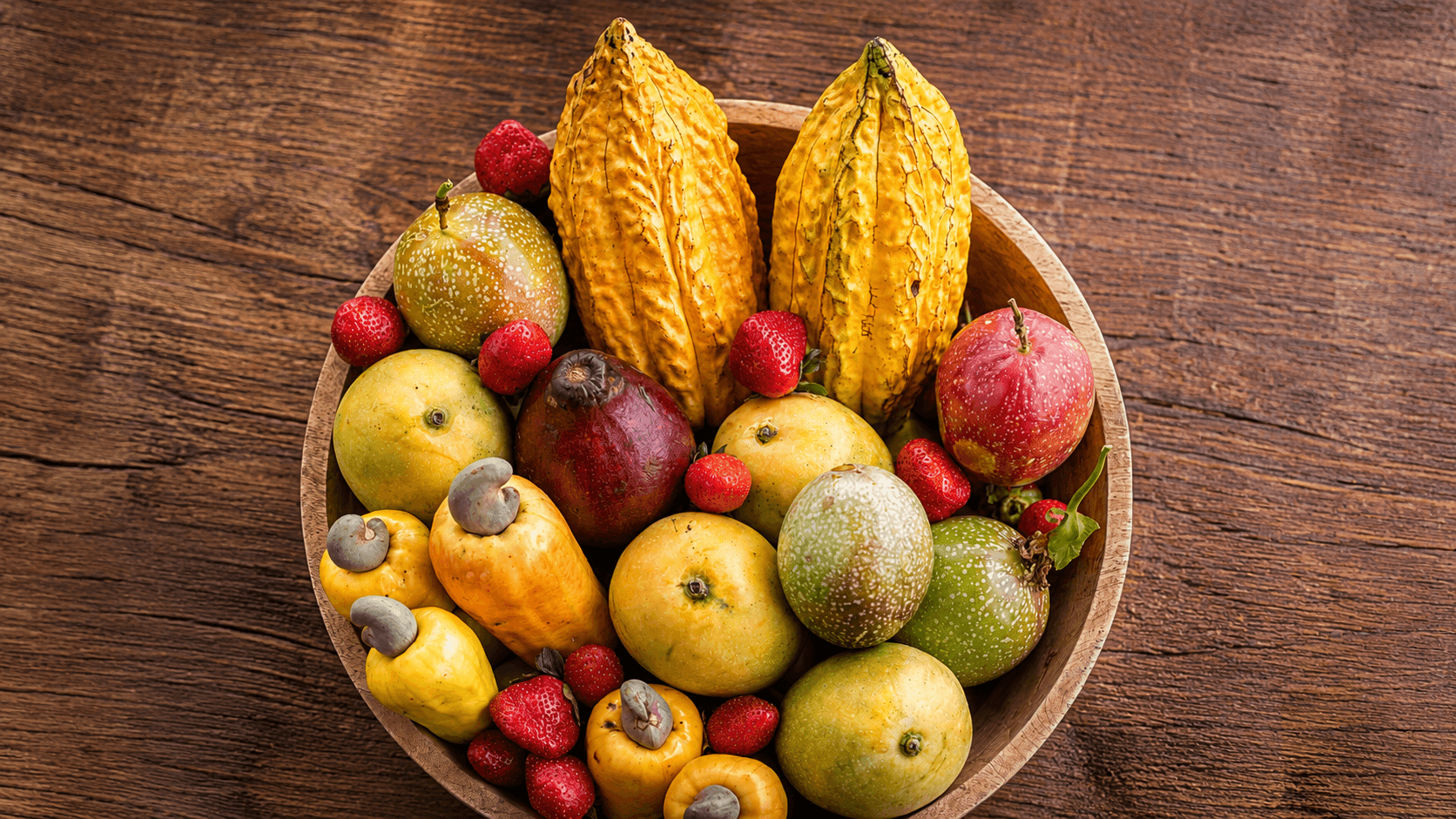
So, do we have to give up sugar completely? No. You don’t have to avoid everything sweet. You can have sugar in the form of complex carbohydrates. The sugar we get from wholesome fruit and vegetables, nuts and millets are accompanied by a lot of fibre and other nutrients which are good for your body.
Just remember, to choose wisely when it comes to sugar.
Find out more about a rainbow diet as a part of Diet Therapy at Prakriti Shakti.
Click here to talk to the doctor: https://www.prakritishakti.com/talk-to-doctor/
Disclaimer
The sole purpose of this article is to provide information about naturopathy. This information is not intended for use in the diagnosis, treatment, cure or prevention of any disease. If you have an acute or chronic health concern, please consult a naturopathy doctor who can fully assess your needs and address them effectively.