








One of the tantras in the Arogya Raksha Panchatantra, the Five Techniques for Good Health as described in the science of Naturopathic healing, is to have only 2 meals a day. What is the secret benefit behind this?
By having only 2 meals a day, we ensure that there is a minimum gap of 16 hours between each meal (have food only when there is sunlight). This is what helps one enter the state of intermittent fasting.
Yes, intermittent fasting has been trending and is taught in the healing practices of this age-old science of healing, but remember fasting means complete rest in Naturopathy, which includes not providing anything for the body when it demands digestion. So, even having tea or coffee during this period is against the concept of intermittent fasting, and you won’t get the benefits from it. You can, however, drink water.
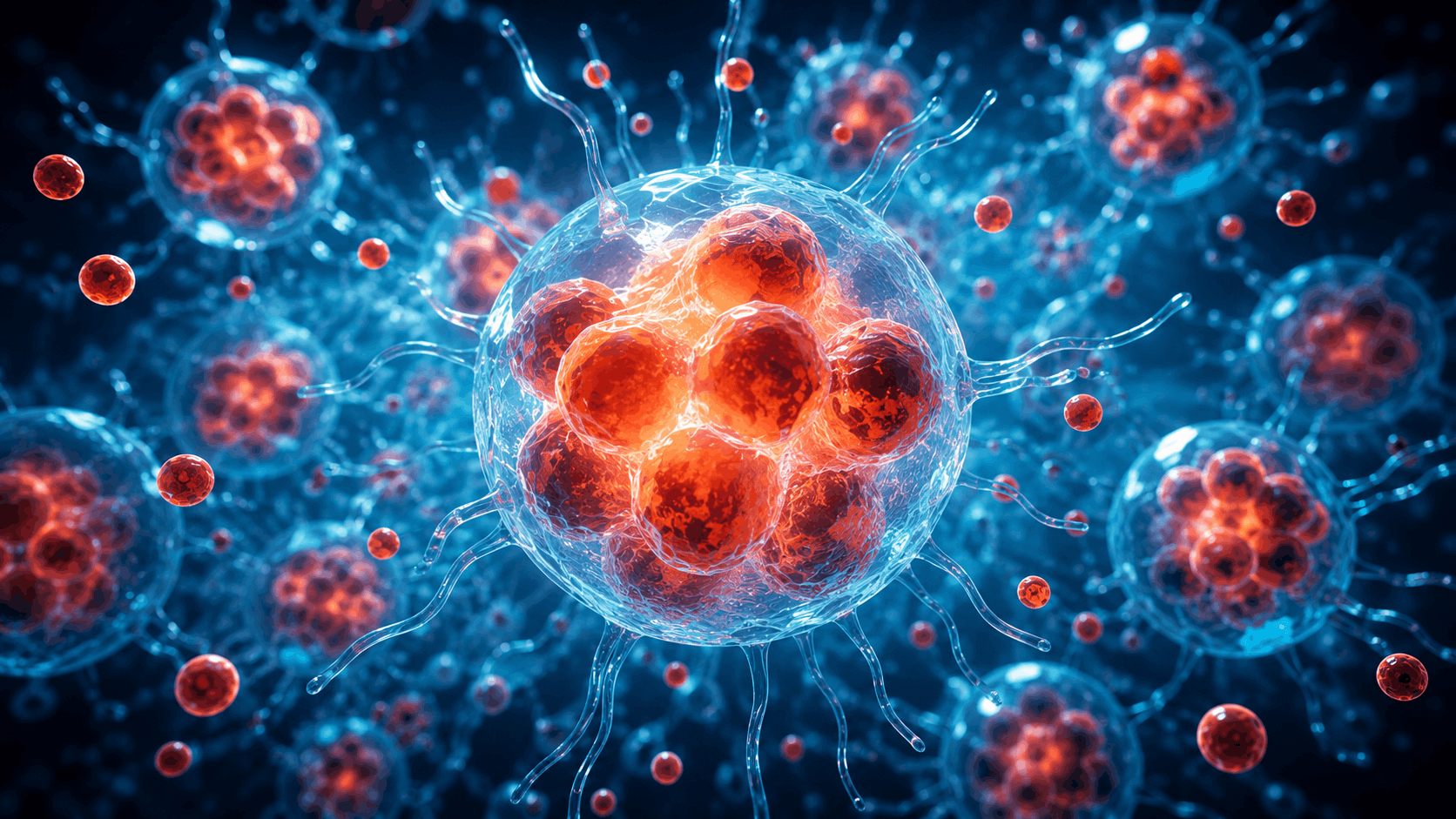
Intermittent fasting is a shorter version of fasting. It involves maintaining a gap of 16 hours between 2 meals, ideally dinner and breakfast. When you adopt this practice accurately, autophagy gets activated. Autophagy is the natural, orderly degradation and recycling of unnecessary or dysfunctional cellular components through a lysosome-dependent regulated mechanism. What this means is that the body starts to consume old, unwanted, extra, foreign cells and cell organelles in the body, leading to detoxification. Intermittent fasting is an easy and suitable method for those who cannot undergo prolonged fasting, and acts as the daily housekeeping you can do for the internal systems in your body.
Our traditional wisdom says:
eka bhuktham maha yogi
dwi bhuktham maha bhogi
tri bhuktham maha rogi
This translates to:
the one who eats only once a day is a yogi (focused on spiritual needs)
twice a day is considered a bhogi (enjoys food but doesn’t overeat)
and thrice a day, will become a rogi (a diseased person)
So, choose wisely!
Disclaimer
The sole purpose of this article is to provide information about naturopathy. This information is not intended for use in the diagnosis, treatment, cure or prevention of any disease. If you have an acute or chronic health concern, please consult a naturopathy doctor who can fully assess your needs and address them effectively.