








Major Depressive Disorder (MDD), which is commonly referred to as ‘Depression’ is a condition that affects more than 264 million people globally. The disturbing aspect of this condition is that, among the affected, approximately 800,000 commit suicide annually. Considering the fact that this is a condition with varying clinical manifestations, there is an absence of proper diagnostic tools, and that there are social taboos associated with psychiatric conditions, it is highly likely that there is a larger population which remain undiagnosed and suffer from subclinical depressive symptoms.
Though the symptoms of depression can be complex and vary widely between patients depending upon the severity of the condition, the most common symptoms associated with MDD are:
- Constant low mood or sadness
- Feelings of guilt, worry, hopelessness, and unhappiness
- Lack of self-esteem and self-worth
- Constant tiredness and fatigue
- Undiagnosed aches and pains
- Irritability and intolerance towards others
- Trouble concentrating and focusing
- Changes in appetite and digestive disturbances
- Poor neuro-muscular coordination
- Insomnia, reduced or disturbed sleep
- Loss of libido
- Constipation
- Menstrual cycle disturbances in women
- Suicidal thoughts and self-harming attempts
Among these symptoms, about 60% to 70% of the population is affected by a lack of energy, insomnia, and reduced or disturbed sleep.
On an individual level, the issues associated with depression are connected to decreased quality of life, deterioration of physical health, poor social relationships, and difficulties at work, school or family life. The social impact of depression is much bigger and occurs in the form of unemployment, increased usage of alcohol and drugs, a falling out with the community, decreased productivity and shattered families due to suicides.
The Connection Between Diet & Depression
Epidemiological studies conducted in Australia (sample size 1046) and another study conducted among 7114 adolescents, aged between 10-14 years, showed that those who consumed unhealthy diets (foods high in salt, sugar, processed and refined food, carbonated drinks) were associated with higher depressive symptoms than those who consumed a healthy diet (high in fruits, vegetables, and low‐fat dairy).
There are several mechanisms involved in the pathophysiology of this condition. As understood so far, the major factors associated with diet and nutrition are increased neural inflammation, oxidative stress, reduced levels of Brain-derived Neurotropic Factors (BDNF), serotine, omega‐3 polyunsaturated fatty acids and serotonin. Patients with Major Depression symptoms show increased levels of pro-inflammatory markers in the cerebrospinal fluid. Alterations in gut microbiota are also considered an important factor that leads to depression. Studies in animals, as well as humans, suggest bidirectional influence between brain and gut microbiota can significantly impact the central nervous system, including causing depression. People suffering from depression are mostly on low daily fibre intake and their stool samples show a reduction in the number and diversity of gut microbiota. Levels of serotonin, one of the neurotransmitters associated with mood and happiness are strongly connected with the bioavailability of tryptophan from the food we consume.
Studies have reported that patients with acute depression show depleted levels of omega‐3 polyunsaturated fatty acids compared to normal. Omega‐3 polyunsaturated fatty acids play a significant role in membrane fluidity and serotonin transport.
A highly nutritious diet can help maintain good mental well-being and fight depression. The diet recommended should include:
Anti-inflammatory foods
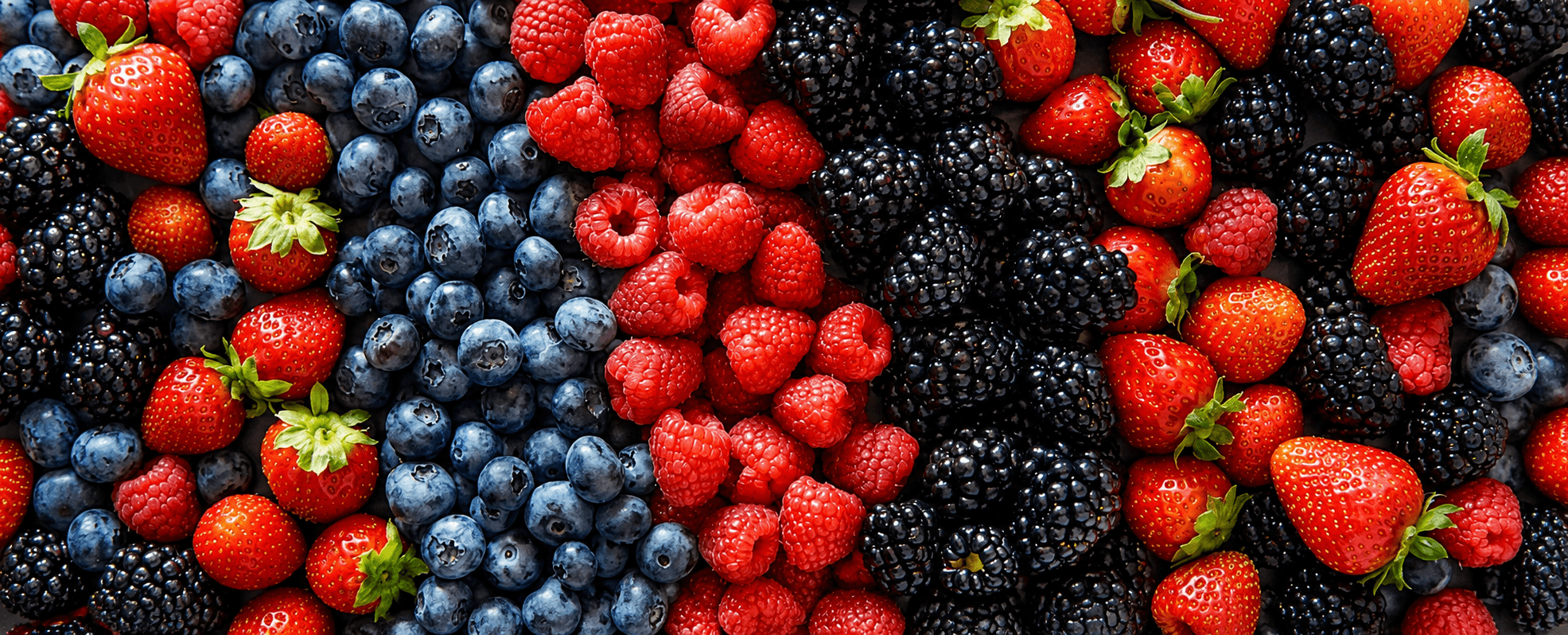
- Berries like strawberries, blueberries, blackberries, raspberries, cranberries, and mulberries contain the potent antioxidant anthocyanin, which is anti-inflammatory in nature.
- Cruciferous vegetables like broccoli, cabbage, and cauliflower, have sulforaphane which is anti-inflammatory.
- Green tea has epigallocatechin 3-gallate which is an antioxidant that is highly anti-inflammatory.
- Turmeric contains curcumin, a powerful anti-inflammatory compound.
- Pepper, ginger, tomato, olives, etc. are anti-inflammatory foods.
Fibre-rich foods
- Sweet potatoes, tapioca, potatoes, ripened banana, ladyfinger.
- Banana, guava, apple, carrots, jackfruit, avocados, broccoli, artichoke.
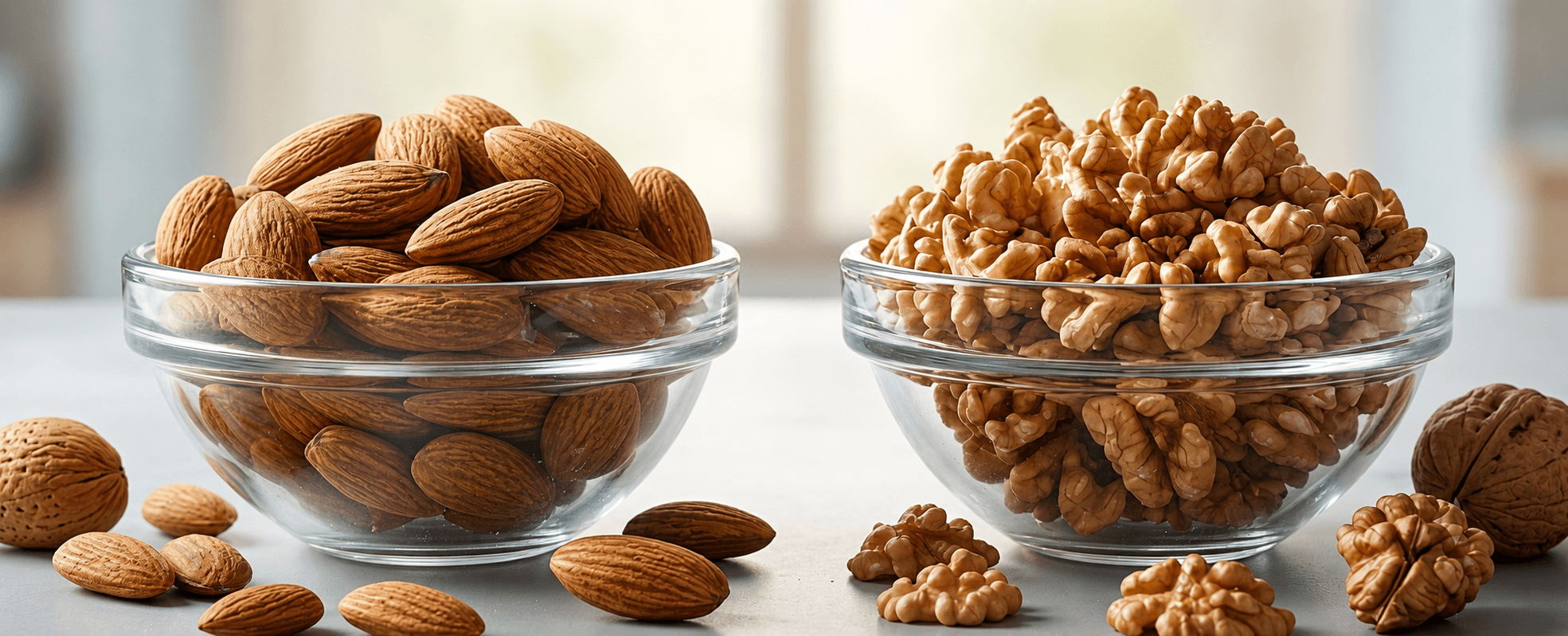
- Nuts and seeds – almonds, walnuts, chia seeds, sunflower seeds, flax seeds, basil seeds.
- Whole grain, millet, husks, pulses.
- Berries – raspberries, blackberries, blueberries, strawberries, prunes.
- Guar gum, agar.
- Spinach, kale, lettuce, iceberg, and asparagus.
Tryptophan-enriched foods
Kiwi, banana, pineapple, avocado, peach, grape, cherries, apple, pears, watermelon, strawberry, etc.
Omega-3 rich foods (vegetarian sources)
- Seaweed and algae like spirulina, nori, and chlorella.
- Seeds like flax seeds, chia seeds, and hemp seeds.
- Nuts like almonds, walnuts, and edamame.
Disclaimer
The sole purpose of this article is to provide information about naturopathy. This information is not intended for use in the diagnosis, treatment, cure or prevention of any disease. If you have an acute or chronic health concern, please consult a naturopathy doctor who can fully assess your needs and address them effectively.