








1. An introduction on heart health by the doctor
The heart beats about 2.5 billion times over the average lifetime, pushing millions of gallons of blood to every part of the body. This steady flow carries with it oxygen, fuel, hormones, other compounds, and a host of essential cells. It also whisks away the waste products of metabolism. When the heart stops, essential functions fail, some almost instantly.
Given the heart’s never-ending workload, it’s a wonder it performs so well, for so long, for so many people. But it can also fail, brought down by a poor diet and lack of exercise, smoking, infection, unlucky genes, and more.
2. Why has there been a drastic increase in heart attacks among young adults?
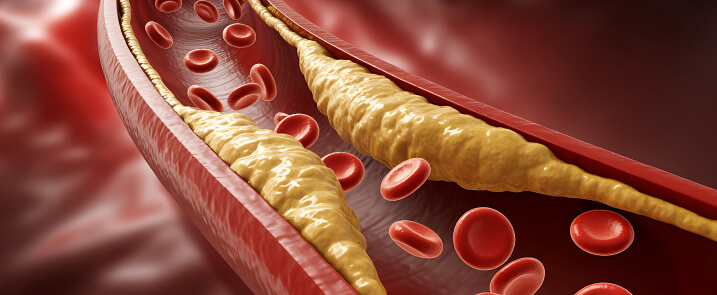
A key problem is atherosclerosis. This is the accumulation of pockets of cholesterol-rich gunk inside the arteries. These pockets, called plaque, can limit blood flow through arteries that nourish the heart — the coronary arteries — and other arteries throughout the body. When a plaque breaks apart, it can cause a heart attack or stroke.
Although many people develop some form of cardiovascular disease (a catch-all term for all of the diseases affecting the heart and blood vessels) as they get older, it isn’t inevitable. A healthy lifestyle, especially when started at a young age, goes a long way to preventing cardiovascular disease. Lifestyle changes and medications can nip heart-harming trends, like high blood pressure or high cholesterol, in the bud before they cause damage. And a variety of medications, operations, and devices can help support the heart if damage occurs.
The occurrence of heart attacks among young people has increased in recent years, which is a worrying trend. Heart disease is a significant cause of death worldwide and its prevalence has risen in India over the past five years. This rise in cardiac arrest and related issues is attributed to our fast-paced lifestyle and changes in habits. Heart attacks were previously believed to affect only older individuals, but now they are affecting every other young person between the ages of 30 and 40. Several factors contribute to this health risk, including inactivity, stress, insomnia, smoking, drinking, diabetes, hypertension, and obesity.
3. It is said that COVID–19 patients are more prone to hearth attacks, please suggest ways to prevent this.
Reasons for the spike in heart-related conditions could also be related to psychological and social challenges associated with the pandemic, including job loss and other financial pressures that can cause acute or chronic stress, leading to cardiac disease.
While it is true that most people know that a good diet accompanied by a proper exercise routine can keep our hearts healthy, few of us put it into practice. A physically active lifestyle is associated with a reduction in the frequency and mortality of cardiovascular disease.
Here are a few key points to consider in your day-to-day habits to help your heart work as efficiently as possible. Even if you improve just one or two of these areas, you can make yourself less likely to get heart disease. However, keep in mind that the more tips on this list that you follow, the better your lifestyle and heart health will be.
1. Exercise regularly
Staying physically active is related to a reduction in the frequency and mortality of cardiovascular disease. By improving the cardiorespiratory system’s functioning and having a beneficial effect on overweight, high blood pressure, diabetes, and hypercholesterolemia, it can reduce the chances of angina, and chest pain associated with myocardial infarction. It even has remarkable psychological effects, which help manage stress and increase mental well-being.

2. Maintain a healthy and balanced diet
Following healthy eating habits can help reduce three of the main factors involved in heart disease: high cholesterol, high blood pressure, and excess weight. Therefore, it is possible to reduce cardiovascular risk with just a few dietary changes. Good habits for your heart include moderating your daily intake of salt and alcohol. The diet should also be based primarily on fruits, vegetables, grains, fish, and lean meats. It is recommended to reduce the consumption of fats (incredibly saturated fats) and cholesterol (fatty red meats, whole milk, cheeses made with whole milk, eggs, dishes made with cream and high-fat desserts), and consume the fat that comes from olive oil, nuts, and oily fish, for the benefits it provides on the cardiovascular system. The fibre contribution (whole grains, legumes, fruits, vegetables) is also significant.

3. Stop smoking
Tobacco use is one of the main causes of heart problems. Smoking hurts the cardiovascular system, increases the risk of thrombosis, and causes a decrease in the coronary arteries’ caliber, which hinders the flow of the heart. Therefore, it is necessary to permanently avoid tobacco consumption and passive smoking (smoking environments).
4. Limit alcohol
Consuming alcohol in moderation (one to two glasses of red wine a day) has been linked to decreased cardiovascular disease. However, it is proven that alcohol abuse is harmful to health. Several studies have described a relationship between excessive alcohol consumption and the appearance of cardiovascular diseases; therefore, it is advisable to moderate its consumption and limit it to a glass of red wine to accompany meals.
5. Maintain a healthy weight
Various studies have shown that obesity aggravates heart problems due to over-exertion on the heart, predisposition to hypertension, coronary heart disease, and cerebrovascular accidents. Obesity also favours the occurrence of type 2 diabetes, lung diseases, osteoarticular diseases, and others. Approximately 40% of coronary heart disease incidences are attributed to a Body Mass Index (BMI) greater than 25. That is why it is essential that each person knows what their BMI is and acts accordingly, especially if they are older than 20 years.
6. Do pleasant activities and eliminate stress
Living a stressful life can affect your heart. You are more likely to have a heart attack during times of stress, as your heart races and blood pressure is higher. When this happens, the heart needs more oxygen. This does not mean that stress causes cardiovascular disease, but it can make it worse. It is essential to carry out relaxing and pleasant activities, such as going for a walk, practicing yoga, etc., and achieving a balanced work-life with spaces that allow us to enjoy free time and disconnect from daily work.

7. Go for regular medical check-ups
After 40 years, it is recommended to attend medical check-ups regularly. People with risk factors such as a family history of heart disease, cholesterol, diabetes, hypertension, obesity, and smoking should pay more attention to this point and go to the doctor. A medical review and diagnosis can detect diseases related to cardiovascular risk (diabetes, hypertension) even before symptoms start to show.
8. Get enough sleep
Getting enough rest and sleep will help you have a healthy heart. If you don’t have good rest habits, no matter how old you are or your medical and family history, you are more likely to suffer from cardiovascular disease. Make your bedtime a priority. Get 7-8 hours of sleep each night.

9. Don’t spend long periods sitting
Sitting for a long time has very adverse effects on health. Seek to move more during the day. Take the stairs instead of using the elevator, take short walks inside your office or your house while you are on a call, choose to walk to places that are close to you instead of using your car.
10. Celebrate small achievements
We know that making changes to your lifestyle is not easy at all, so try to go little by little, celebrating every step of the way. It is also essential to spend quality time with those close to you; it is good for your emotional health and heart.
4. How often and when should an individual get diagnosed?
Routine screening tests are important.
Even if you don’t have a history of heart disease, the AHA Trusted Source recommends getting the following heart health screenings:
1. Blood pressure and cholesterol tests, starting from age 20 for most people.
2. Blood glucose tests, starting from ages 40-45 for most people.
3. Body Mass Index (BMI) measurement, based on body weight or waist circumference.
If you have certain risk factors for heart disease or a strong family history, your doctor might encourage you to start these screenings at a younger age than usual.
They may also order high-sensitivity C-reactive Protein (hs-CRP) testing. This test measures C-reactive Protein (CRP), a marker of inflammation or infection that’s associated with an increased risk of heart attack.

5. There have been recent cases of individuals who go to the gym getting heart attacks. These individuals are regular gym-goers and have control over their food. What is the reason for them dying at a young age?
A heart attack can occur when there is a tiny obstruction in the blood flow caused by vigorous exertion, which can occasionally cause the blood pressure and adrenaline hormone to rise. First, when it comes to strenuous exercises, like running swiftly, experts advise against overdoing it and offer tips on how to finish the training. Nothing you do in excess will be beneficial; it will only cause harm. A heart attack while exercising or even a normal heart attack is sometimes unpredictable, due to which you cannot prevent a heart attack 100% but can take preventive measures to decrease the risk of a heart attack. Smoking, diabetes, high cholesterol, BP, alcohol addiction, obesity, sedentary lifestyle, etc. are some of the things that can be controlled by taking preventative measures to decrease the risk of a heart attack in the future.
Following are the factors that increase the risk of a heart attack while exercising, especially for young gym goers:
Lack of water and loss of important body fluids like sodium, and potassium, cause dehydration in the body which can interfere with the normal rhythm of the heart while exercising. Strenuous exercising can result in an oxygen debt in the body. Strenuous exercises involve swimming, rope jumping, cycling faster than 10 mph, running, and forceful exercises or lifting intense weights beyond the body limit of an individual in the gym. Many people try to push their limits far beyond their capacity. This is the biggest reason for heart attacks in the gym.
6. How safe are intense workouts? Does it apply to sportsman who require intense training?
It’s well known that exercise is good for you, and with so many different types of workouts available to us today, just about anyone can find something that they love. But, some extreme athletes can push past healthy limits.
Chronic extreme exercise training and competing in endurance events can lead to heart damage and rhythm disorders. People with genetic risk factors are especially vulnerable.

7. Please suggest a few tips to people who have had pacemaker surgery.
Be physically active. Try to do what you enjoy – or what you feel up to – each day. Take a short walk, or simply move your arms and legs to aid blood circulation.
Don’t overdo it. Quit before you get tired. The right amount of activity should make you feel better, not worse.
Stay away from magnets and strong electrical fields.
There aren’t really specific foods to avoid with a pacemaker itself. But if you have one, it’s because you have a heart condition, and that diagnosis means you need to adopt a heart-healthy diet. These diet changes focus on limiting red meat, many dairy products, and unhealthy fats, while adding whole grains, fresh fruits, and vegetables.

8. Please suggest tips and healthy food habits to keep in mind for young adults and aged adults as well.
Refer above
9. Are there any diseases connected with heart attack? How can one prevent it? For example, being overweight, diabetes, causes heart attacks.
Heart attacks are caused by the blood supply to the heart being suddenly interrupted. Without this supply, heart muscles may be damaged and begin to die.
Without treatment, the heart muscles will experience irreversible damage. If a large portion of the heart is damaged in this way, the heart stops beating (known as a cardiac arrest), resulting in death. Coronary Heart Disease (CHD) is the leading cause of heart attacks. CHD is a condition in which the coronary arteries (the major blood vessels that supply the heart with blood) become clogged with deposits of fats such as cholesterol and other substances. These deposits are called plaques. Before a heart attack, one of the plaques ruptures (bursts), causing a blood clot to form at the site of the rupture. The clot may block the supply of blood to the heart, triggering a heart attack.
Your risk of developing CHD is increased by:
1. Smoking
2. A high-fat diet
3. Diabetes
4. High cholesterol
5. High blood pressure (hypertension)
6. Being overweight or obese
A less common cause of heart attacks is a lack of oxygen (hypoxia). If the levels of oxygen in the blood decrease due to carbon monoxide poisoning or a loss of normal lung function, the heart will not receive enough oxygenated blood. This will result in the heart muscles being damaged, triggering a heart attack.
Dr. Nithila Catherin
Disclaimer
The sole purpose of this article is to provide information about naturopathy. This information is not intended for use in the diagnosis, treatment, cure or prevention of any disease. If you have an acute or chronic health concern, please consult a naturopathy doctor who can fully assess your needs and address them effectively.