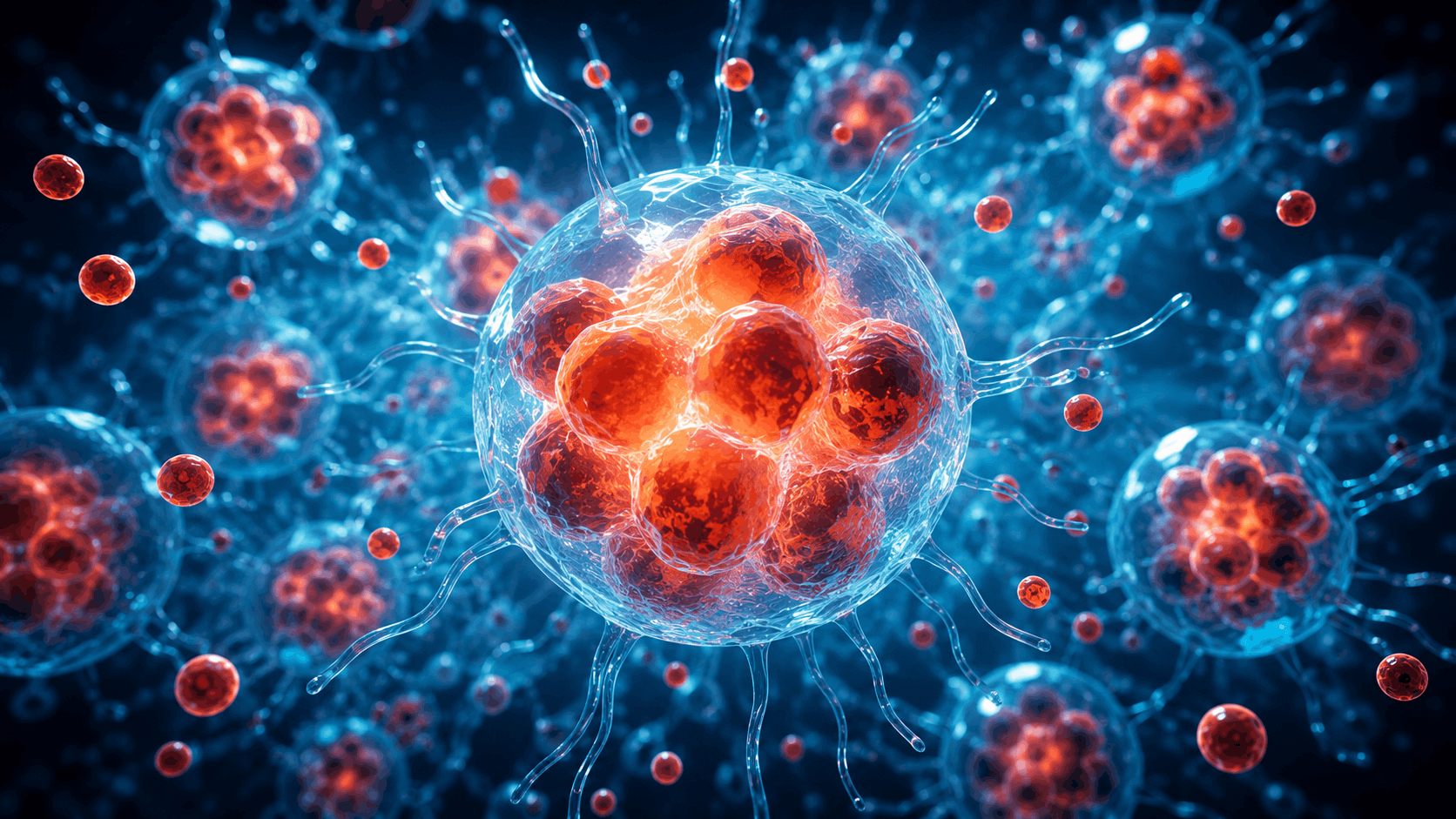









Hair is a filamentous, thread-like structure that grows from the epidermis, which is the outer layer of the skin. It is composed mainly of a protein called keratin, which is the same protein found in nails and the outer layer of the skin.
The Structure of Hair
Hair can be divided into three main parts: the hair shaft, the hair follicle, and the hair root.
- Hair Shaft: The hair shaft is the visible part of the hair that extends above the surface of the skin.
- Hair Follicle: The hair follicle is a small, sheath-like structure located beneath the skin’s surface. It surrounds the hair root and provides nourishment to the growing hair.
- Hair Root: The hair root is the lower part of the hair that anchors it within the hair follicle and is situated below the skin’s surface. It includes the hair bulb, papilla, and the matrix.
Hair Bulb: The hair bulb is the enlarged base of the hair root. It is a rounded, club-shaped structure that surrounds the papilla. The hair bulb is where the stem cells are present and hair growth originates from, and cells in this area rapidly divide, pushing the hair shaft upward.
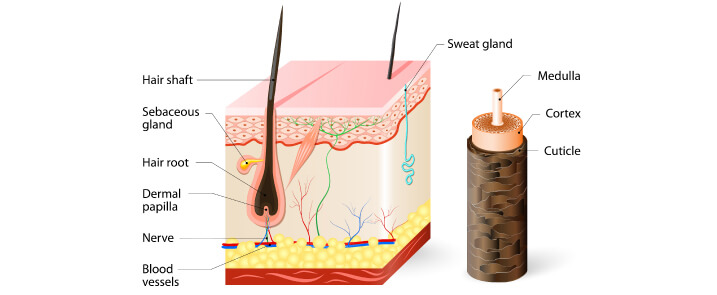
Hair anatomy. The hair shaft grows from the hair follicle consisting of transformed skin tissue. The epidermal cells transform at the command of the dermal papilla cells and generate the hair shaft.
The Stimulators of Hair Growth
Let’s have a look at some factors that affect hair growth:
- Blood flow: Increased blood flow to the scalp can promote hair growth through various mechanisms. When blood flow to the hair follicles improve, it enhances the supply of essential nutrients and oxygen to the hair roots, creating a more conducive environment for hair growth.
- IGF-I: IGF-I (Insulin-like Growth Factor-I) is a hormone that plays a crucial role in stimulating cell growth and division throughout the body, including in hair follicles. It is produced primarily in the liver in response to stimulation by growth hormone (GH).
- Cyclic AMP (cAMP): This is a crucial secondary messenger molecule that plays a significant role in various cellular processes, including hair growth. It is derived from adenosine triphosphate (ATP) and acts as a signalling molecule, transmitting messages from hormones and other signalling molecules to the cell’s interior.
- PDE and TGF-beta-2: PDE (Phosphodiesterase) enzymes break down cAMP into AMP (adenosine monophosphate), reducing the levels of cAMP within cells. cAMP is involved in activating certain proteins that promote hair follicle cell proliferation and survival. Transforming Growth Factor-beta 2 (TGF-β2) is known to be involved in the regulation of the hair growth cycle.
Key nutrients and minerals: These nutrients provide the building blocks and support the processes necessary for strong, thick, and lustrous hair. They are Biotin (Vitamin B7), Iron, Zinc, Vitamin C, Vitamin D, Vitamin E, Vitamin A, Omega-3 Fatty Acids, Proteins, Silica, Selenium, B Vitamins (B6, B12, and Folate), Niacin (Vitamin B3), Copper, and Magnesium.
Naturopathy Home Remedies to Stop Hair Fall
Take steps to reduce or stop hair fall. These steps will help to an extent, depending on the underlying cause.
- Healthy Diet: Ensure you are following a balanced diet rich in vitamins, minerals, and proteins. Foods containing biotin, iron, zinc, and omega-3 fatty acids can promote hair health.

- Keep Hair Clean: Regularly wash your hair to keep the scalp clean and free from excess oil, dirt, and product buildup. However, avoid excessive washing, as it may strip the hair of natural oils.

- Avoid Harsh Treatments: Minimize the use of harsh chemical treatments, such as excessive hair colouring, perming, or straightening, as they can damage the hair and lead to breakage.
- Use Gentle Hair Care Products: Opt for mild shampoos and conditioners that suit your hair type. Avoid products containing sulphates and harsh chemicals that may cause scalp irritation.
- Avoid Heat Styling: Limit the use of heat-styling tools, such as straighteners, curling irons, and blow dryers, as excessive heat can weaken the hair and cause it to break.
- Avoid Tight Hairstyles: Avoid hairstyles that pull on the hair tightly, as they can cause traction alopecia and damage the hair follicles.
- Manage Stress: Stress can contribute to hair fall. Practice stress-reducing techniques like meditation, yoga, or regular exercise.

- Get Enough Sleep: Aim for 7-9 hours of quality sleep each night, as sleep is essential for overall health, including hair health.
- Avoid Smoking and Limit Alcohol: Smoking and excessive alcohol consumption can negatively impact hair health.
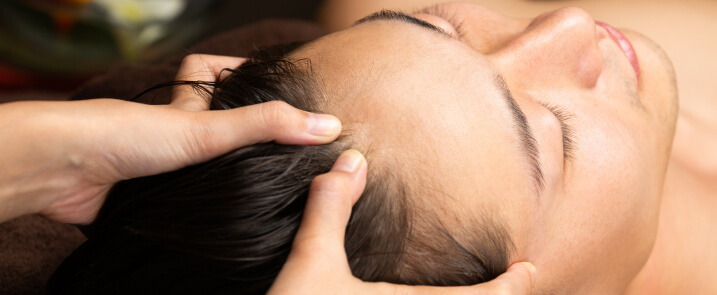
- Scalp Massage: Gentle scalp massages can improve blood circulation to the hair follicles and promote hair growth.
- Consult a Professional: If you are experiencing excessive hair fall, consult a naturopathy doctor. They can help identify any underlying medical conditions, hormonal imbalances, or nutritional deficiencies that may be causing hair loss and recommend appropriate treatments.
Remember, hair fall can be caused by various factors, including genetics, hormonal changes, medical conditions, and lifestyle choices. Identifying and addressing the underlying cause is key to effectively managing hair fall, and at Prakriti Shakti, we can help you treat the root causes, not just the symptoms.
Disclaimer
The sole purpose of this article is to provide information about naturopathy. This information is not intended for use in the diagnosis, treatment, cure or prevention of any disease. If you have an acute or chronic health concern, please consult a naturopathy doctor who can fully assess your needs and address them effectively.