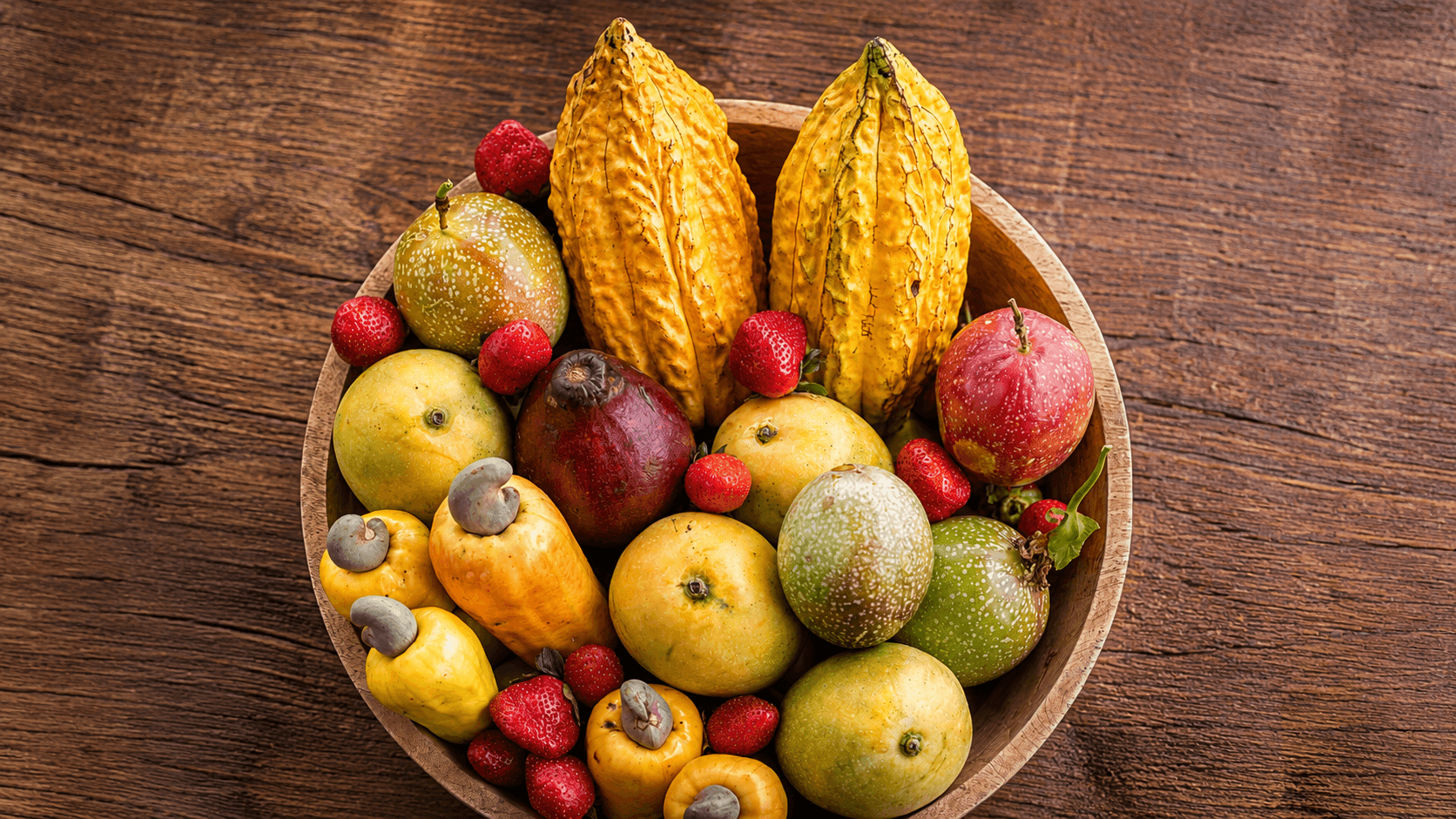









The many health benefits of pomegranates and how to add them to your diet.
Pomegranates are among the richest sources of antioxidants, surpassing even green tea, blueberries, and red wine. They contain ellagitannins, powerful plant compounds that, once broken down by gut bacteria into urolithins in the large intestine, act as tiny repair workers. These urolithins reduce inflammation, strengthen the gut lining, and improve cellular energy production. Pomegranate compounds also nourish beneficial gut bacteria like Akkermansia and Bifidobacteria, while keeping harmful microbes in check, thereby promoting a healthier microbiome.
The deep ruby colour of pomegranate seeds comes from anthocyanins, natural pigments with impressive healing power. These strong antioxidants protect your heart by maintaining arterial flexibility and preventing cholesterol toxicity. They can also cross into the brain, reducing inflammation and helping protect memory and focus, as you age.
Beyond gut and heart health, pomegranates benefit nearly every part of the body. Regular consumption of pomegranate juice has been shown to lower blood pressure, improve blood flow, and reduce arterial stiffness. Individuals with joint issues like arthritis may experience reduced swelling and pain due to the fruit’s anti-inflammatory effects.
For those seeking more adventurous ways to incorporate pomegranates, dried pomegranate peel powder (richer in antioxidants) can be added to smoothies or teas. Fermented options like pomegranate vinegar or kombucha combine the fruit’s polyphenols with probiotics for a dual gut-health boost. Pomegranates are also excellent additions to raw salads and sprouts, especially for those who dislike their raw taste.

Pomegranates are more than just a fruit; they nourish good gut bacteria, calm inflammation, protect your heart, and strengthen your body from within. Including them in your daily diet is a simple and delicious step toward better health.
Why you should add seeds to your diet.
Seeds are considered a powerhouse of nutrition in naturopathy, but to unlock their full potential they are best consumed in sprouted form. Seeds, by nature, are designed to resist digestion and grow into a plant. However, sprouting breaks down these natural barriers, making their nutrients more accessible and easier for the body to absorb. Once sprouted, seeds become a living food, rich in proteins, vitamins, minerals, and enzymes that support overall health.
From a healing perspective, sprouted seeds act as gentle detoxifiers, flushing out waste and improving digestion. Their natural enzymes help lighten the work of the stomach and intestines, making food easier to process and nutrients easier to assimilate. They are also packed with antioxidants that fight oxidative stress, keeping cells young and reducing inflammation, which is often the root of many chronic diseases. Their fibre content improves bowel movements, supports gut bacteria, and helps regulate blood sugar, making them especially beneficial for individuals prone to diabetes or metabolic imbalances.

Furthermore, seeds are an excellent source of healthy fats, particularly omega-3, which nourish the brain, lubricate joints, and protect the heart. These fats, combined with their protein content, provide a lasting feeling of satiety and balance, reducing unhealthy food cravings. In naturopathy, this satiety is seen as more than just fullness—it’s about stabilising the mind and emotions, reducing anxiety and irritability that often result from blood sugar swings.
Disclaimer
The sole purpose of this article is to provide information about naturopathy. This information is not intended for use in the diagnosis, treatment, cure or prevention of any disease. If you have an acute or chronic health concern, please consult a naturopathy doctor who can fully assess your needs and address them effectively.