








Menopause is a significant yet natural transition in every woman’s life. It marks the end of menstruation and fertility, but more importantly, it signifies a shift in the body’s hormonal landscape. Menopause is not a disease—it is nature’s way of gradually transitioning a woman’s body from one phase of life to another. While some women experience this change with few symptoms, for many, the journey is physically, emotionally, and mentally challenging. Symptoms vary widely in intensity and type, ranging from irregular cycles and mood swings to hot flushes, breast soreness and hair loss.
Naturopathy offers a holistic, non-invasive, and empowering approach to managing menopause, emphasising balance, prevention, and the body’s innate ability to heal. Naturopathy can help women align with the natural rhythms of their bodies, through balanced nutrition, consistent movement, emotional care, natural therapies, and family support. How do you know if menopause has begun?
Key indicators for recognising menopause:
- Irregular menstrual cycles
- Unexplained weight gain
- Mood fluctuations
Eventually, all symptoms taper off, and secondary sexual characteristics such as pubic and underarm hair may diminish. This indicates the completion of the menopausal transition.
Understanding Menopause Through A Naturopathic Lens
Naturopathy treats menopause not as a condition to fix but as a process to support. It involves recognising the three stages—perimenopause, menopause, and post menopause—and the hormonal fluctuations, primarily in oestrogen and progesterone, that occur over a span of 7 to 8 years.
With changing lifestyles and increased stress levels, some women today are experiencing early menopause—even in their late 30s. Others may undergo surgical menopause due to hysterectomy, which brings abrupt hormonal changes. In both cases, the symptoms can be intensified. Rather than rely solely on pharmaceutical options like Hormone Replacement Therapy (HRT), which may be necessary in severe cases and only under medical supervision, Naturopathy encourages a whole-body approach through diet, lifestyle, emotional support, and natural therapies.
Balancing Hormone Fluctuations With Diet
A key Naturopathic tool in menopause management is nutrition. The focus is on balancing hormones through plant-based sources of phytoestrogens, which are naturally occurring compounds that mimic the action of oestrogen.
Some of the best sources include flaxseeds, methi (fenugreek) seeds, sesame seeds, and soya products (only recommended for those without thyroid or autoimmune conditions). These foods help ease symptoms like hot flushes, vaginal dryness, and mood swings by supporting oestrogen receptors gently, without the side effects of synthetic hormones.
In addition, women are advised to eat green leafy vegetables, fortified foods, and dairy products (if not lactose intolerant) to support bone health, especially since the drop in oestrogen increases the risk of osteoporosis. Women should also limit or avoid caffeine, spicy foods, and alcohol, as they can trigger or worsen hot flushes, breast soreness, and sleep disturbances. Staying well-hydrated is another simple yet powerful Naturopathic principle, crucial for cellular balance and detoxification.

Sunlight, Supplementation, And Screening
A Naturopathic approach doesn’t neglect the importance of monitoring nutrient levels. Women should undergo bi-annual checks for Vitamin D, Vitamin B12 and calcium. Where deficiencies are found, natural supplements or targeted diet plans are recommended. For Vitamin D, safe sun exposure—ideally between 11 AM and 2 PM for 45 minutes—is strongly encouraged to stimulate natural synthesis. Screening is also an essential preventive aspect. Every woman over 30 should get a pap smear once every 5 years (every 3 years after 40) and mammogram, especially after 40, for early breast cancer detection

Building Strength Through Movement
Physical activity is central to Naturopathy and vital for menopausal women. Muscle mass and bone density both decline with age and hormonal fluctuations, increasing the risk of fractures and weakness. Women from the age of 35 onwards should prioritise strength training, core muscle conditioning, and pelvic floor exercises to reduce urinary incontinence.
Walking, swimming, and cycling can be excellent low-impact alternatives, but stretching and strength work are non-negotiable. These activities not only support musculoskeletal health but also improve mental clarity, reduce anxiety, and regulate sleep.

Emotional Wellbeing
Naturopathy places strong emphasis on emotional wellness, especially during life transitions like menopause. Mood swings, irritability, anxiety, and even depression can surface due to hormonal changes. Natural methods to promote emotional stability include deep breathing and meditation, spending time in nature or quiet reflection, keeping a gratitude journal, and practising yoga. In cases of more severe emotional distress, anti-depressants may be prescribed in conventional care. However, Naturopathy prefers drug-free alternatives unless absolutely necessary. For structured emotional support, Neuro-Linguistic Programming (NLP) is also offered at SwaSwara and can be a powerful tool to reframe negative thinking patterns and improve coping skills.
Sleep Hygiene
Hormonal shifts often disrupt sleep. Naturopathy prioritises sleep hygiene, emphasising consistent sleep routines, avoiding screen time before bed, creating calming nighttime rituals and limiting stimulants like caffeine after mid-afternoon. Good sleep is foundational to hormone regulation, mental clarity, and immune function.
Complementary Naturopathic Treatments
Several natural therapies help ease menopausal symptoms, enhance relaxation, and improve quality of life:
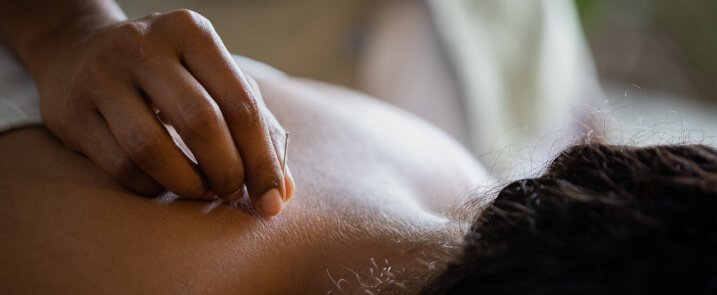
- Acupuncture: Effective for hot flushes and anxiety
- Hydrotherapy: Especially cold hip baths to cool the system
- Aromatherapy: Using essential oils like lavender and clary sage for emotional and physical relief
- Massage Therapy: Bi-monthly massages are recommended, not just for muscle relaxation but also to stimulate the nervous system through gentle skin-to-skin contact
These therapies are non-invasive, soothing, and enhance the body’s healing mechanisms.
Bringing Awareness To The Family
A holistic approach to menopause must also involve education and support for the woman’s family. Partners and children, particularly men, should be made aware of what a woman undergoes during menopause. Emotional swings, fatigue, or moments of withdrawal aren’t signs of weakness but responses to deep physiological changes. A supportive home environment plays a crucial role in healing.
Disclaimer
The sole purpose of this article is to provide information about naturopathy. This information is not intended for use in the diagnosis, treatment, cure or prevention of any disease. If you have an acute or chronic health concern, please consult a naturopathy doctor who can fully assess your needs and address them effectively.