








Mental health is essentially our ability to feel steady within ourselves and behave in ways that fit well with the world around us. Everyone feels anxious at times -before an exam or an important interview – and that’s normal. Good mental health means being able to bounce back from these moments, calming the mind and carrying on with life. What feels “normal” varies between individuals, and what stresses one person may not stress another.
But when someone finds it difficult to calm their mind or manage everyday stress, that’s when we say mental health is out of balance. These struggles can come from childhood experiences or challenges later in life. Mental health issues have always existed, but thankfully today we are better at recognising and discussing them.
1. How Naturopathy Supports Mental Health
Naturopathy looks for patterns in how a person’s body and mind are functioning. It doesn’t view mental health as a separate issue but as part of a person’s overall wellbeing. The goal is to help the mind and body heal naturally by creating the right conditions for balance.
When someone begins treatment with us, we measure their anxiety and depression levels along with physical health markers. After treatment, we usually see improvements across the board—not just physically but mentally as well.
We use many tools: meditation, NLP (which helps change unhelpful thought patterns), acupuncture, yoga, and nutrition. We believe the body and mind can heal themselves when given the right support. Our focus is on helping people let go of the constant stresses that keep the mind unsettled.
2. Food: More Than Just Fuel
What we eat plays a huge role in how the mind feels. Toxins and heavy metals in our environment affect us both physically and mentally. When we upgrade our diet with better nutrients, the improvement can actually be measured in the body.
Raw foods – fresh fruits and vegetables – contain vitamins and enzymes that are often lost during cooking. We help patients gradually shift to what we call a “no food” phase—not starving, but easing the digestive system by moving from solid foods to liquids, and eventually minimal intake.
It begins with a diet rich in fruits, vegetables, nuts, and seeds – high-fiber foods that keep people feeling full. Then, patients transition to smoothies, soups, and liquid diets, which place less stress on the body.
Why do we do this? When the body receives less energy from food, it starts using stored energy – glycogen, fat, and a small amount of protein—to heal itself. This can create what’s known as a “healing crisis,” with symptoms like mild fever, nausea, or bowel changes. These are signs that the body is working hard to detoxify and reset.
Interestingly, many people notice their minds feeling clearer during this phase. Their thinking sharpens, they make better decisions, and they cope with stress more easily. After fasting, patients gradually return to a normal, balanced diet – often with a stronger sense of physical health and mental calm.

3. Gentle Practices to Support Mental Well-being
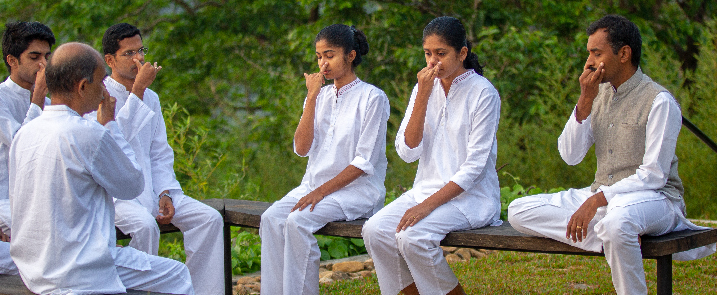
Meditation is key to calming a busy mind. It teaches you to observe thoughts without getting carried away by them. NLP helps replace negative thought patterns with healthier ones. Acupuncture balances the body’s energy, easing symptoms of anxiety and depression. Yoga blends movement, breath, and mindfulness to build mental stability.
Each of these practices is supportive – they don’t force change, but create space for the body and mind to heal.
4. Everyone’s Mental Health Journey is Different
Mental health is deeply personal. A child’s anxiety looks different from an adult’s, and men and women often experience challenges in different ways. Naturopathy honours this individuality. We listen carefully and tailor treatments to each person’s unique needs and patterns.
5. The Mind-Body Connection is a Journey
Good mental health isn’t just about feeling fine on a good day; it’s about building the resilience to handle whatever life brings. Naturopathy nurtures that resilience by caring for both the mind and body.
The process takes time – diet changes, detox, new habits, and self-awareness all contribute. The result is a more stable, clear, and peaceful mind.
6. Giving Your Body and Mind a Chance to Heal
Mental health prioritisation in naturopathy means treating the whole person. By improving physical health through nutrition and detox, and supporting mental health with meditation, NLP, acupuncture, and yoga, we help the mind and body find their natural balance.
At Prakriti Shakti, our goal is simple: to help you leave behind the stress and toxins holding you back and give your body the chance to heal. When the body is healthy, mental health naturally improves, bringing calm, clarity, and strength.
In a world where mental health struggles are becoming increasingly common, naturopathy offers a gentle, holistic path to feeling better – not just temporarily, but for life.
Disclaimer
The sole purpose of this article is to provide information about naturopathy. This information is not intended for use in the diagnosis, treatment, cure or prevention of any disease. If you have an acute or chronic health concern, please consult a naturopathy doctor who can fully assess your needs and address them effectively.